How One Italian Region is Making Use of Shared Agendas
Located in Northwest Italy, the Liguria region is defined by its long coastline, forested inland areas, and deep maritime tradition. It also happens to be home to LLAB3, under the leadership of FILSE.
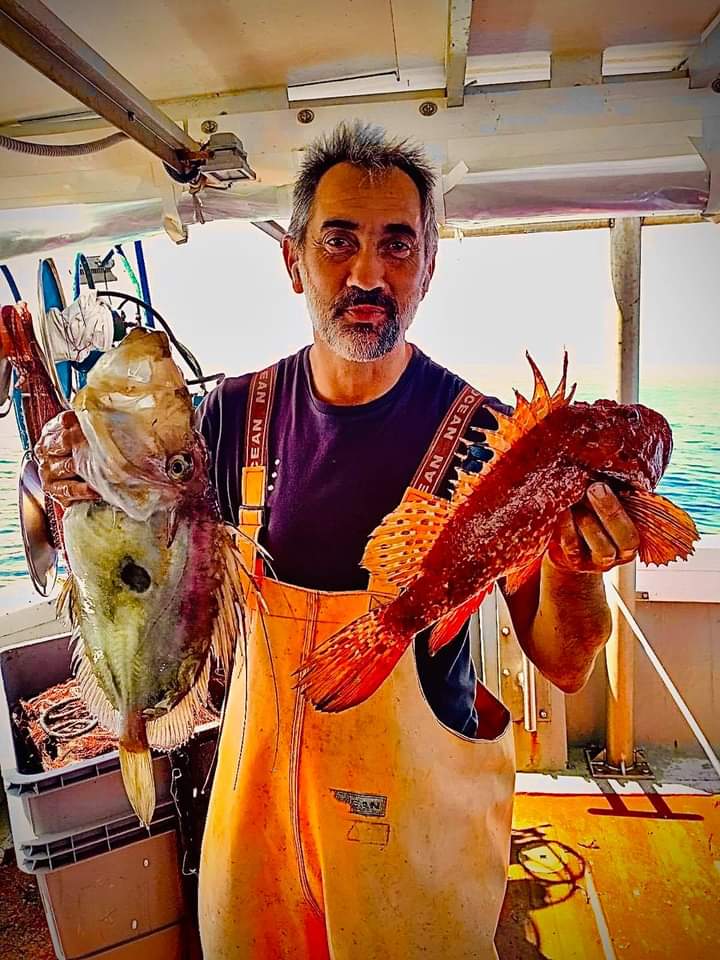
The Liguria Living Lab (LLAB) focuses on two proposed value chains connected to the Blue Economy and food waste recycling. Both aim to valorize fish, fishery waste, and food by-products by converting them into high-value materials that fuel a circular and sustainable blue bioeconomy. However, as an entity focused on supporting new policies and collaboration for innovation, the Liguria Bio-Lab is also not bound by the current value chains, but rather, is more broadly concerned with testing and replicating circular bioeconomy business models, such as Shared Agendas, within the region.
Challenges in Implementing Shared Agendas
Implementing shared agendas can be a tricky process. The first challenge LLAB3 encountered was defining the Shared Agenda’s territorial boundaries, particularly given Liguria’s close ties of historical collaboration with bordering regions Piemonte and Lombardia. Ultimately, it was decided that the Shared Agenda would focus exclusively on Liguria due to FILSE’s participation in a variety of regional and national innovation projects focused on the Liguria region. Additionally, Liguria’s relatively homogenous social and geographical landscape made it a suitable region for piloting a place-based Shared Agenda. By reviewing national and regional strategies, stakeholders were able to identify key territorial challenges and the opportunities they present for strengthening the region’s bioeconomy, particularly in areas related to the circular blue economy.
Yet, several challenges remain. The region is marked by a rural/urban divide, with Genoa being home to the majority of Liguria’s population. Stakeholders listed transportation challenges given Genoa’s high-population density and heavy-traffic, as well as the lack of infrastructure connecting the coast to the mountainous inland region.
Investing in new bioeconomy solutions could help bridge this divide by creating economic opportunities in rural communities, valorizing forestry and agri-food resources, and strengthening inland–coastal linkages. With the right support, the rural parts of Liguria could become important contributors to the region’s circular transition.
Liguria also faces broader systemic challenges, including the flight of young talent, limited regulatory frameworks for biomass valorization, and insufficient infrastructure for industry development. A stronger regional focus on circular innovation could help universities and research centers retain young talent, support primary producers, and catalyze regulatory reforms needed to unlock new bio-based markets.
Shared Agendas as a Regional Response
Liguria’s sustainability strategy highlights the “economy of the sea” and “energy and environment” as essential regional priorities. This closely aligns with ongoing research within Liguria’s Shared Agenda, which will respond to these priorities by developing and testing place-based, local infrastructures where multiple disciplines and stakeholders can exchange ideas and co-create, test and replicate agri-food, marine-based, and bio-based bioeconomy solutions.
The Liguria Shared Agenda focuses on leveraging the region’s marine and forestry biomass to develop innovative bio-based value chains within the blue bioeconomy. It aims to overcome challenges like limited Research & Development funding, talent flight, regulatory barriers, fragmented value chains, and weak public-private cooperation, by establishing a central coordination body, promoting regulatory reform, fostering multi-stakeholder partnerships, sharing infrastructure, and enhancing education and public awareness. The agenda prioritizes sustainability, circular economy principles, and collaborative innovation to position Liguria as a leading hub for bioeconomy development and ecological transition in Italy.
Going Forward from Here: Future Vision
Liguria has the potential to become a more proactive, collaborative, and innovation-driven region within the circular bioeconomy landscape. With its extensive know-how, rich biodiversity, and strategic coastal position, the region is well-placed to catalize new economic opportunities and contribute to national and European sustainability goals.
The advocacy group supporting the Liguria Shared Agenda, in tandem with the newly formed Regional Circular Economy Committee (of which FILSE is a proactive member) and other aligned actors, will play a crucial role in shaping the region’s next steps and creating new policy in order to push circular economy actions at regional level. Their work will focus on creating shared commitments, building networks that facilitate knowledge exchange, and developing collaborative bio-based business models that deliver value for all stakeholders. These efforts reflect the Shared Agenda’s core principles of innovation, collaboration, and a sustainability.
Meanwhile, FILSE’s involvement in regional and national circular economy committees ensures that Liguria remains influential in shaping regulatory reforms that support bio-based innovation at national level. One early step in this direction is the creation of a technical sheet that defines the characteristics of organic by-products from the fish supply chain, which will feed directly into national regulations (after formal steps managed by Liguria Region Body – Waste Management Sector).
Through continued cooperation, regulatory innovation, and shared strategic planning, Liguria is laying the groundwork for a more resilient and circular future. Shared Agendas are proving to be a powerful tool in this process, enabling the region to align diverse interests, overcome territorial challenges, and unlock the full potential of its Blue and bio-based economy.