The South Ostrobothnia Shared Agenda is from Living Lab 5 (LLAB5). The Shared Agenda began with a strong technological concept. At VTT’s CellFactory Living Lab, researchers explored how agri-food side streams from potato processing, as well as fruit, berry, and vegetable processing industries, could be used as growth media for plant cell cultures. These cultures can be transformed into ingredients for food and cosmetic products, creating new value from materials that would otherwise be underutilized.
The early focus on technology alone, however, proved insufficient. In response, a Shared Agenda was implemented, shifting attention toward the territory itself and the actors who shape it. Through stakeholder mapping, interviews, and workshops, it became clear that South Ostrobothnia, rather than Finland as a whole or the urban area around Espoo, was the region where challenges, resources, and opportunities aligned most strongly.
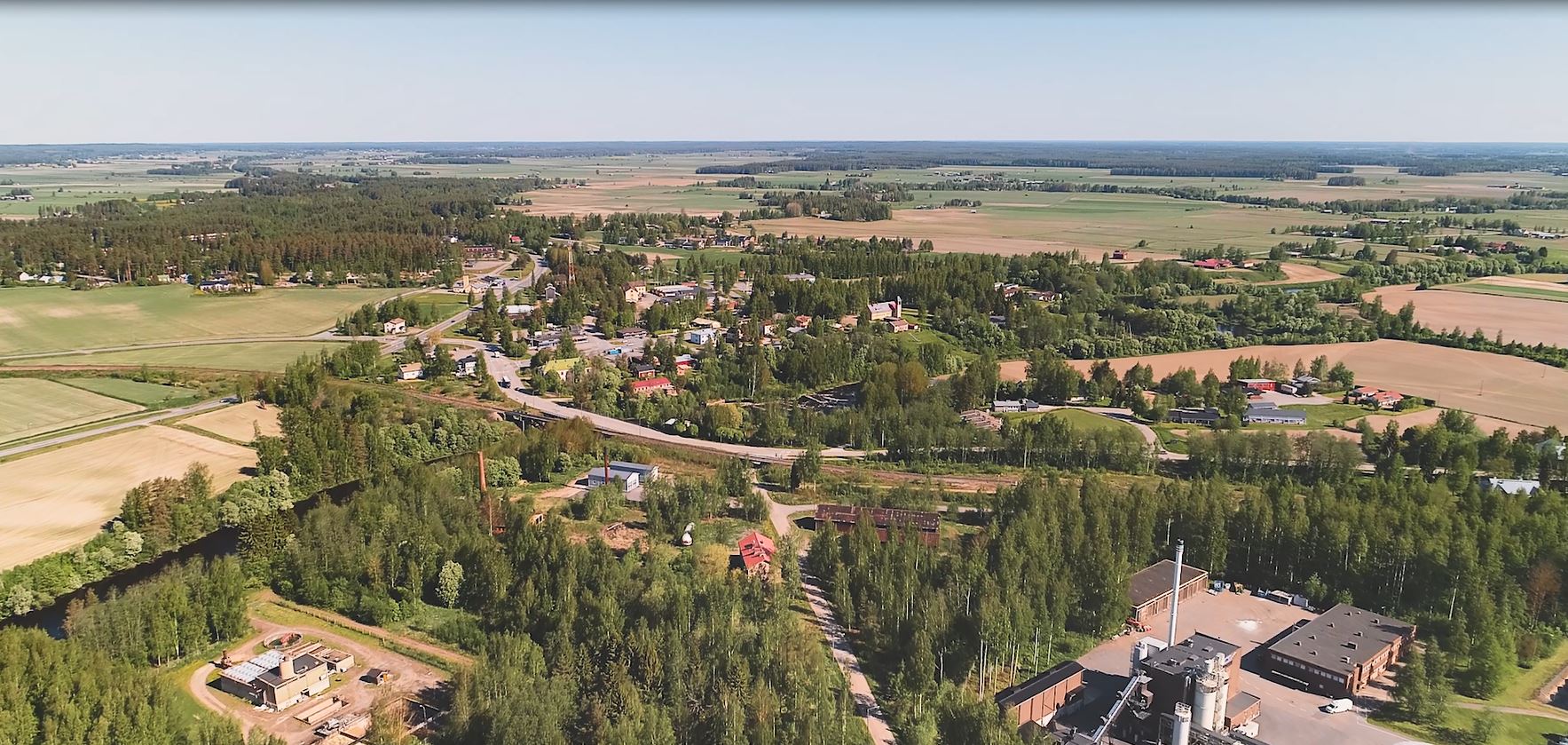
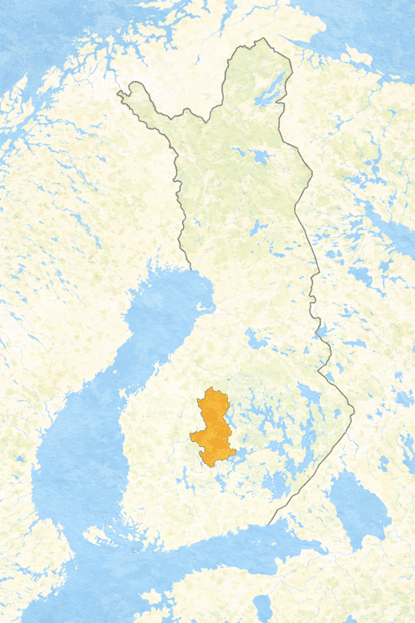 South Ostrobothnia is one of Finland’s most important food-producing regions. With Seinäjoki as its regional centre, the province hosts a dense concentration of farms, food processors, and agri-food industries. The Shared Agenda focuses on transforming agri-food side streams into high-value ingredients through cellular agriculture, while strengthening regional food security, innovation capacity, and rural livelihoods. At the same time, the region faces significant pressures, including an aging farming population, environmental constraints, and the need to renew its innovation ecosystem. These shared challenges provided a clear foundation for defining the Shared Agenda territory.
The South Ostrobothnia Shared Agenda builds on what already defines the region. Rather than replacing traditional agriculture, the shared agenda explores how cellular agriculture can complement existing food systems in the future. By valorizing side streams locally, the technologies provided by LLAB5 would support the circular use of resources, reduce waste, and create new income opportunities for primary producers.
Plant cell culture technology grows plant cells in fermenters for a variety of uses, whether pharmaceutical, cosmetic, or food applications. In broader perspective, cellular agriculture providing cell-based ingredient sources, including microbial, animal, insect and plant cells serves as a concrete example of how advanced biotechnology can be integrated into the regional bioeconomy. Cellular agriculture offers potential solutions to several national and regional challenges, including strong need to create circular bioeconomies, Finland’s short growing season, and the need for healthier and more sustainable food products. Particularly, circular pathways for higher value-added production help to revitalize the primary sector and attract younger generations into rural areas.