
If the European bioeconomy is to be governed fairly and effectively, it cannot ignore gender inequality. While women already sustain large parts of the primary sector, their work remains underrecognized, undervalued and underrepresented in decision-making. Addressing this imbalance is not just a matter of fairness. It is essential to building a bioeconomy that is both resilient and effective.
A meaningful starting point lies in visibility. One of the most persistent challenges is that women’s contributions often fall outside formal economic measurement. Across agriculture, forestry and fisheries, women are more likely to engage in unpaid or informal work, particularly within family-based systems. As highlighted by the European Commission’s Joint Research Centre, this statistical invisibility distorts our understanding of who sustains bio-based value chains. Expanding data collection to include unpaid labour and requiring gender-disaggregated statistics across all bioeconomy sectors would begin to correct this imbalance.[1] Recognition is not symbolic. It directly affects access to subsidies, land rights and institutional support.
However, visibility alone is not enough. Structural inequalities in access to resources continue to limit women’s ability to move beyond supporting roles. Across the European Union, women remain less likely to own land or access credit, despite their active involvement in production. Addressing this requires targeted reforms, including more equitable land inheritance frameworks, financial instruments designed for women-led enterprises, and improved access to training and digital tools. Evidence from Eurostat’s agricultural statistics shows that formal ownership and management status are closely tied to economic opportunity, reinforcing the importance of enabling women to transition into these roles.
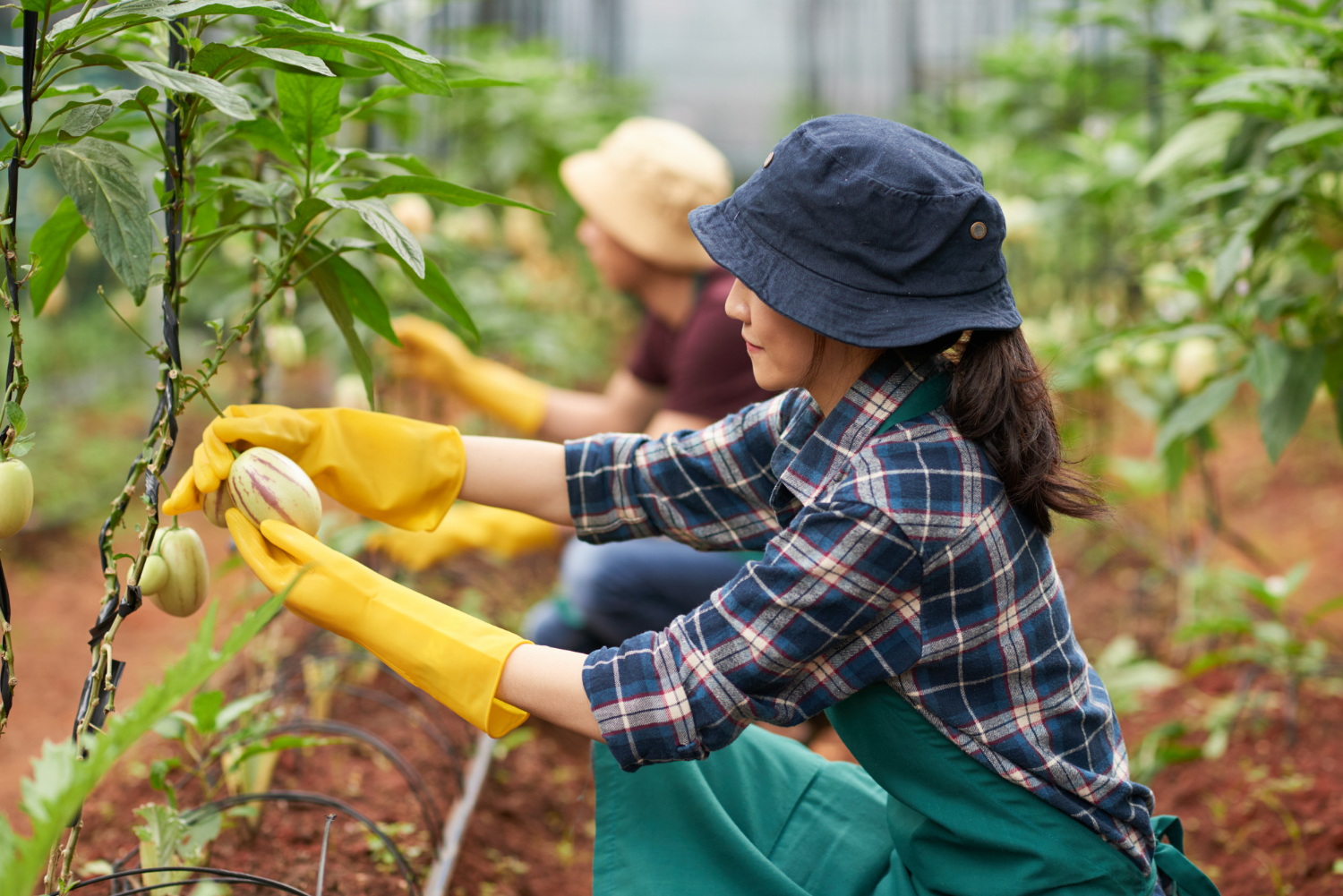
Equally important is the question of power. Women’s underrepresentation in leadership and governance bodies means that their perspectives are often excluded from shaping bioeconomy strategies. Increasing women’s participation in cooperatives, advisory boards, and policy-making spaces is therefore critical. This is not simply about representation for its own sake. Research consistently shows that diverse leadership leads to more inclusive and sustainable decision-making processes. Mechanisms such as gender targets, leadership training, and rural mentorship programs can help create pathways for women to influence how the bioeconomy evolves.
At the same time, gender must be integrated more systematically into bioeconomy policy and research. To date, gender considerations have often been treated as peripheral rather than foundational. Embedding gender impact assessments into EU bioeconomy strategies and funding requirements would ensure that policies do not unintentionally reproduce existing inequalities. Supporting research that explicitly examines gender dynamics within bioeconomy transitions is equally important, as it shifts women from being invisible contributors to recognized agents of innovation and change.
Looking forward, education and innovation will play a decisive role. As the bioeconomy becomes increasingly knowledge-driven, access to training in areas such as biotechnology, sustainable agriculture and digital systems will shape who benefits from future opportunities. Expanding targeted education programs for women, particularly in rural areas, can help close this emerging skills gap and ensure that women are not excluded from the next phase of bio-based innovation.
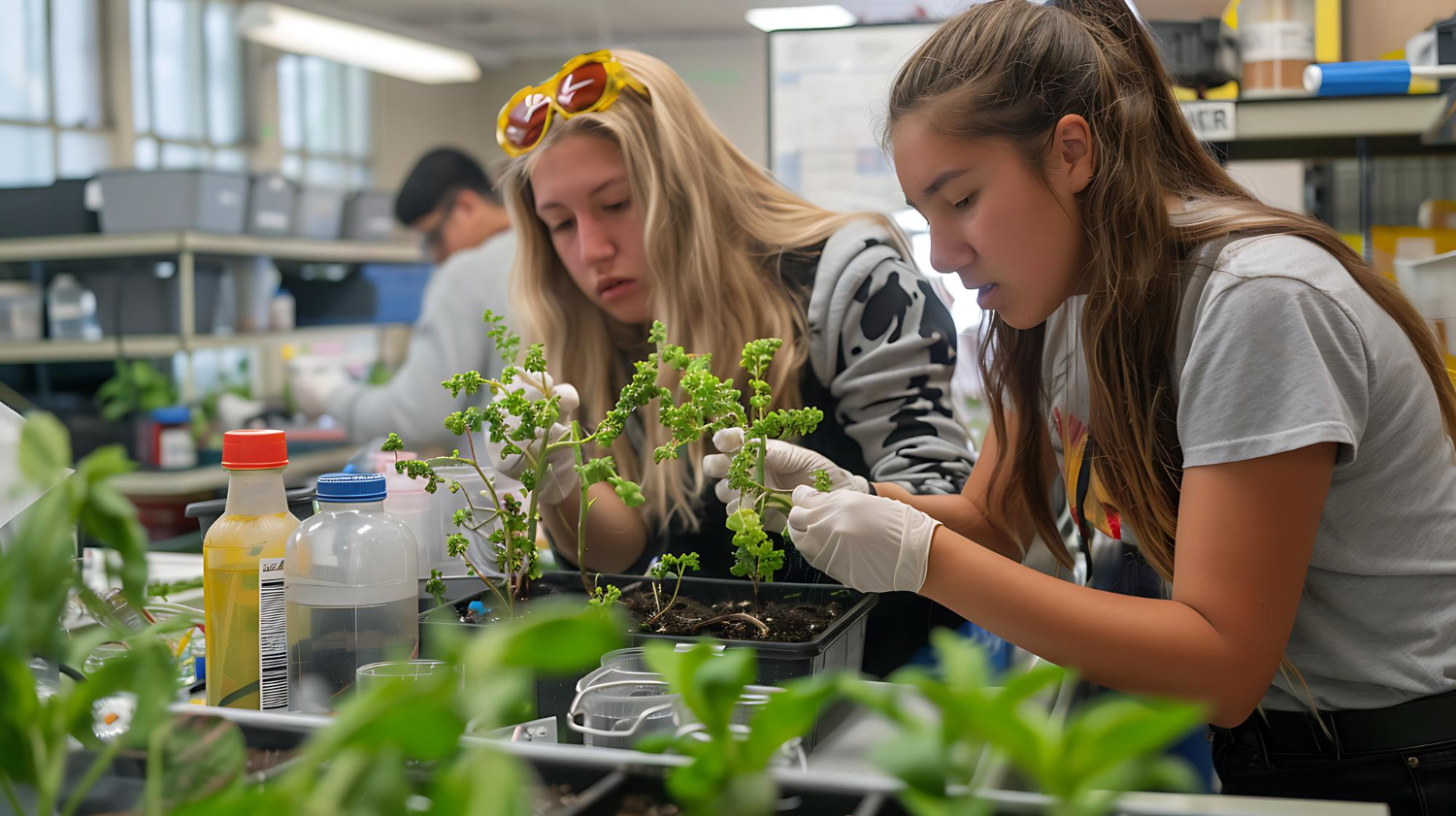
Finally, strengthening networks and visibility is essential for long-term change. Women in the bioeconomy often operate in fragmented or isolated contexts, limiting their ability to access information, funding and markets. Supporting cooperatives, professional networks and knowledge-sharing platforms can help amplify women’s voices and create collective momentum. Visibility also matters symbolically. Highlighting women as leaders and innovators challenges entrenched perceptions of the primary sector as male-dominated and opens space for broader participation.
The transition to a sustainable bioeconomy is often framed as a technological or environmental challenge. In reality, it is equally a social one. Without addressing gender inequality, the bioeconomy risks reproducing the very structures it seeks to transform. But with deliberate and sustained action, it also holds the potential to become a model for inclusive and equitable development.