
Lessons from PRIMED’s five Living Labs
Turning agricultural residues, forestry by-products and food processing waste into valuable resources offers significant opportunities for Europe’s primary sector. From recovered fertilisers and bio-based materials to biochar and innovative food ingredients, new circular value chains can help reduce waste, diversify income and create more sustainable production systems. Nevertheless, developing a promising technology is only the first step. For farmers, cooperatives and businesses, the real challenge often lies in making these solutions commercially viable while navigating regulatory requirements, securing investment and accessing markets.
Through its 5 Living Labs (LLABs) in Spain, Portugal, Italy, Ireland and Finland, the PRIMED project has identified some of the main barriers preventing circular bio-based solutions from reaching the market. The findings, presented in Deliverable D7.2, highlight practical lessons for stakeholders interested in developing new value chains from biomass residues.
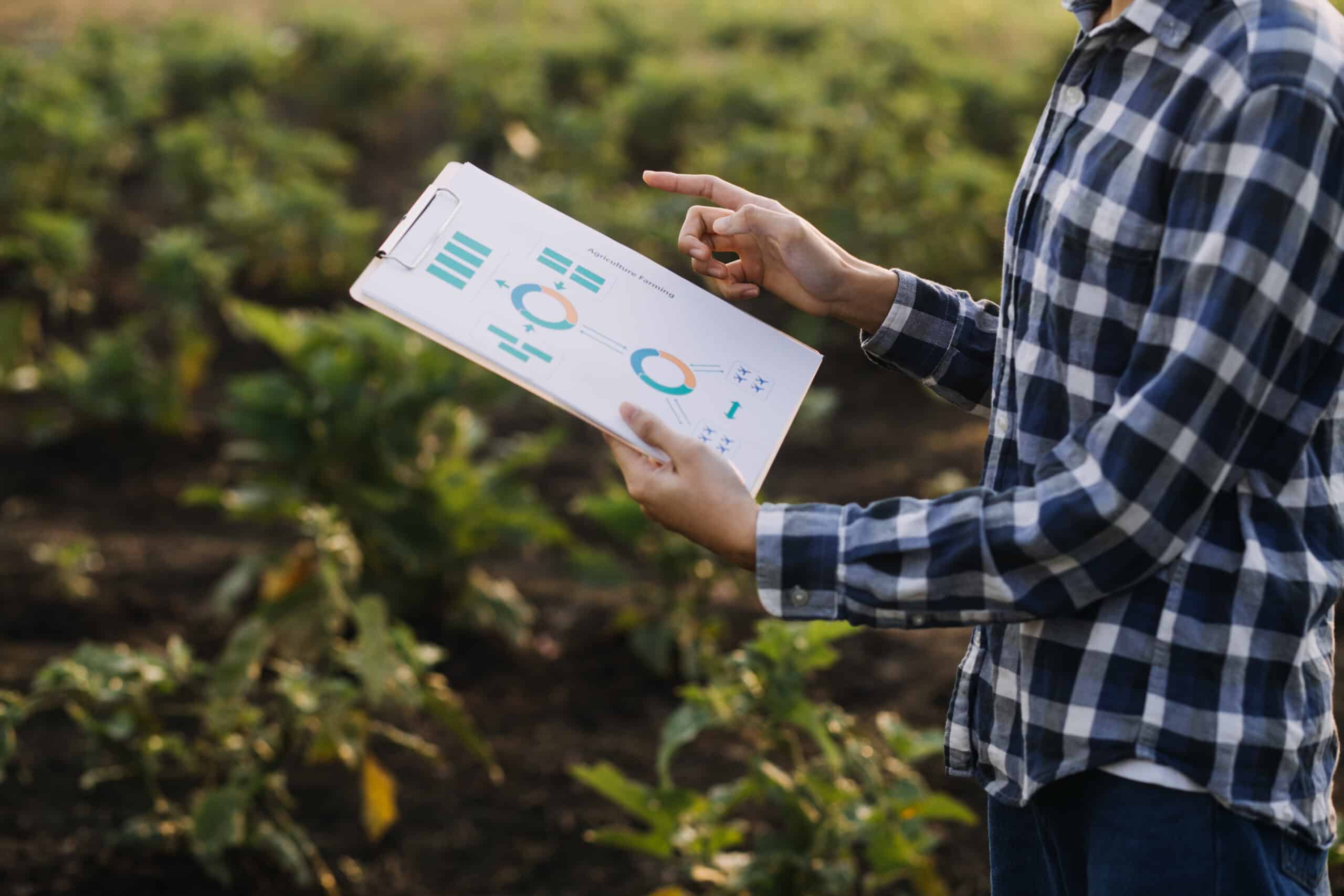
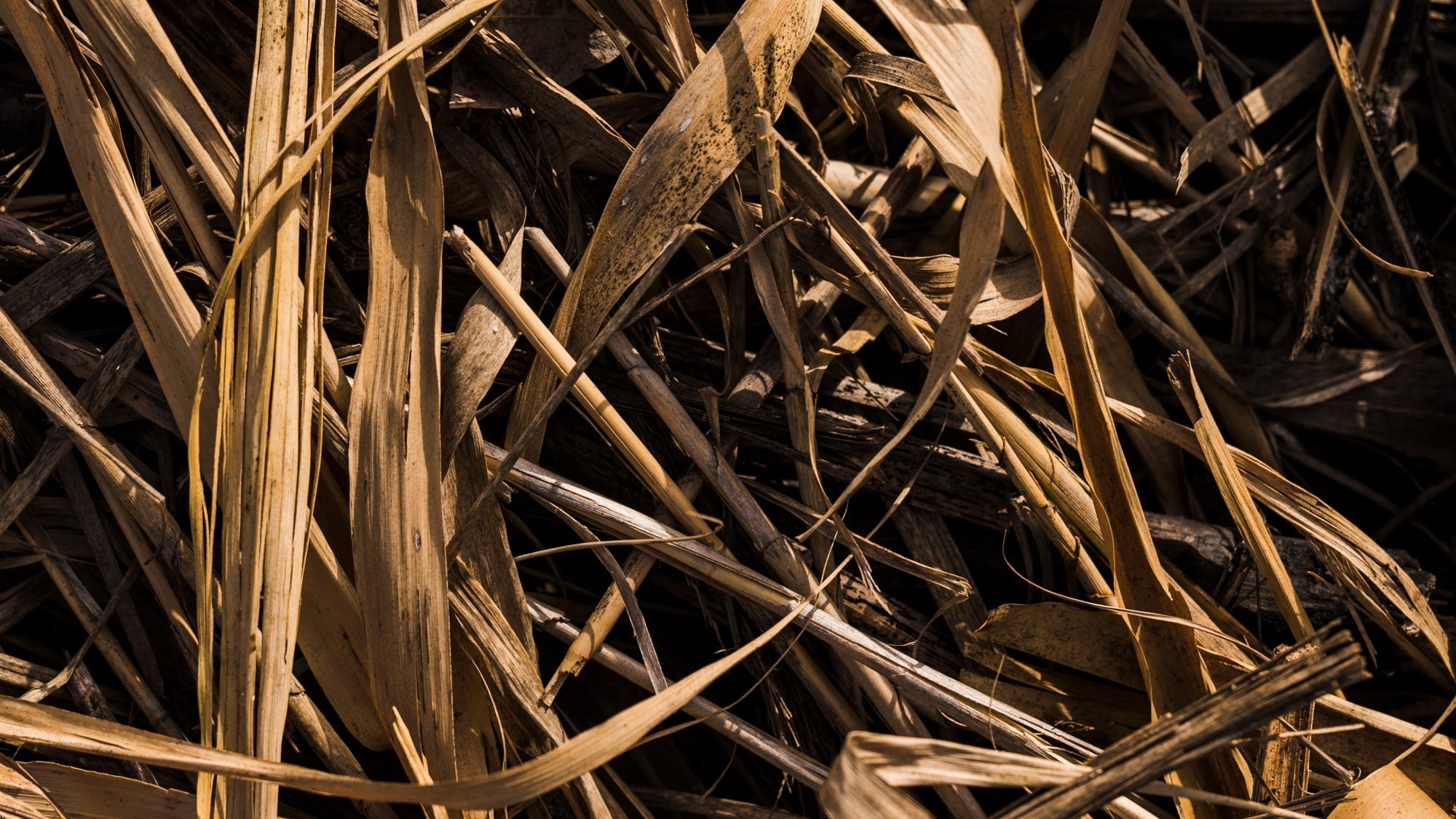
Agricultural residues such as rice husks and straw can become valuable feedstocks for innovative bio-based materials. In Portugal, PRIMED’s LLAB2 led by CeNTI is exploring the valorisation of silica-rich agricultural residues to produce bio-silica for industrial applications. Nonetheless, one of the main challenges is determining whether these materials are legally considered waste or by-products. This distinction can significantly affect how they are collected, transported, processed and commercialised.
Unclear classifications, together with limited investment capacity and market awareness, can discourage companies from adopting new circular solutions.
What should producers and businesses consider?
Before establishing a new supply agreement, it is important to clarify the regulatory status of the residue, identify authorised processing partners and define the quality, quantity and consistency of the feedstock required.
PRIMED also highlights the importance of collaboration between producers, industry and public authorities. Regional Shared Agendas can help stakeholders identify common challenges, coordinate investments and develop solutions adapted to local needs.
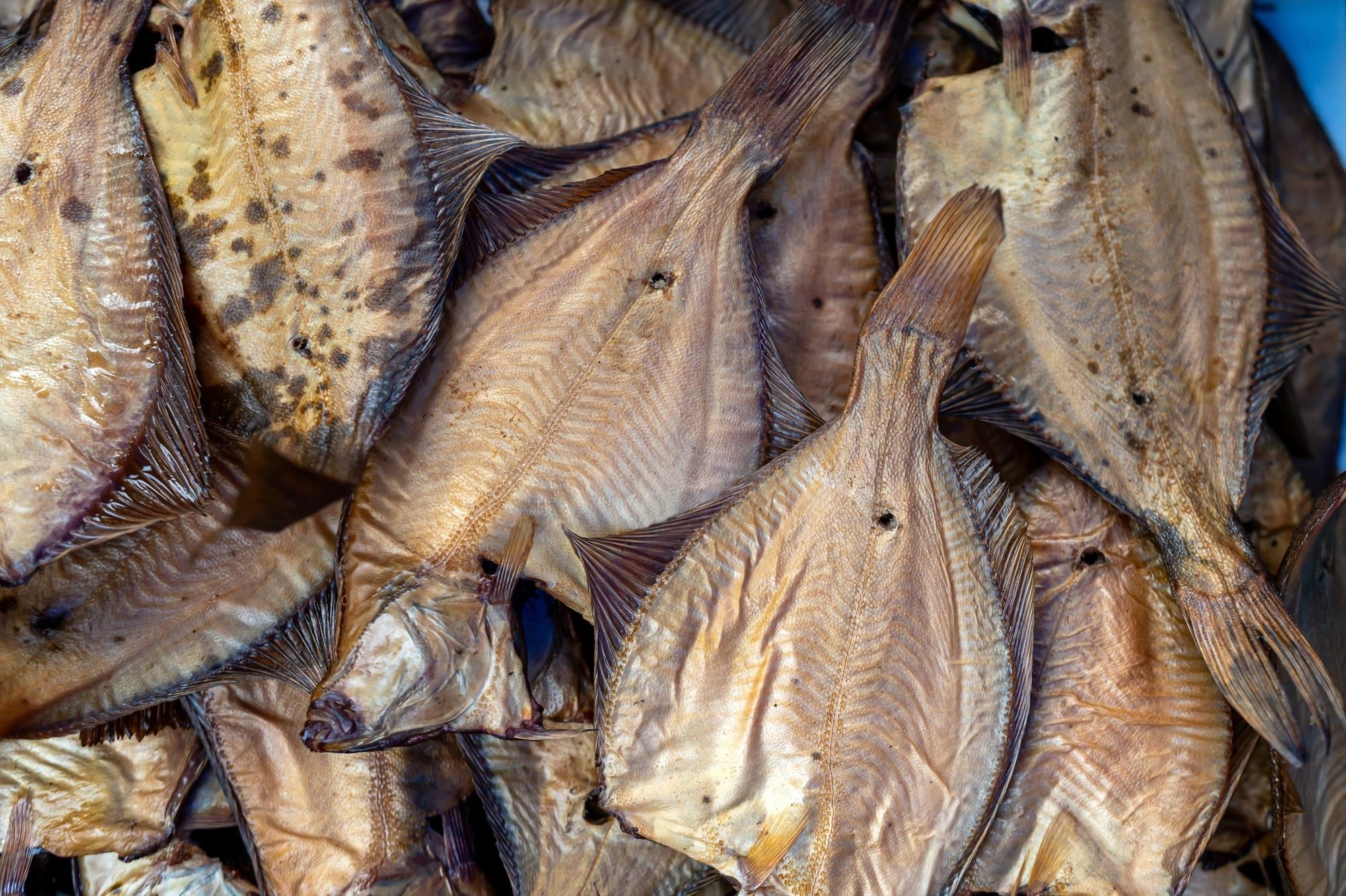
Fish-processing activities generate residues such as heads, bones, skin and viscera, which can become valuable raw materials for new bio-based products, including agricultural biostimulants.
In PRIMED’s Italian LLAB3, coordinated by FILSE, the valorisation of these side streams faces regulatory challenges related to their classification as animal by-products and the requirements governing their processing and use.
Under EU legislation, animal by-products are classified into different categories depending on their associated risks. This classification determines which processing methods and applications are permitted. Unclear authorisation procedures and differences in regulatory implementation can therefore limit opportunities to develop new circular value chains.
What should fishers and fish processors know?
Before supplying fish-processing residues for valorisation, it is important to understand how the material is classified, whether it can be used for the intended application and which processing requirements apply.
Separating and identifying different residue streams, together with early engagement with processors and competent authorities, can help ensure that the materials are suitable for their intended use and avoid regulatory obstacles during the development of new bio-based products.
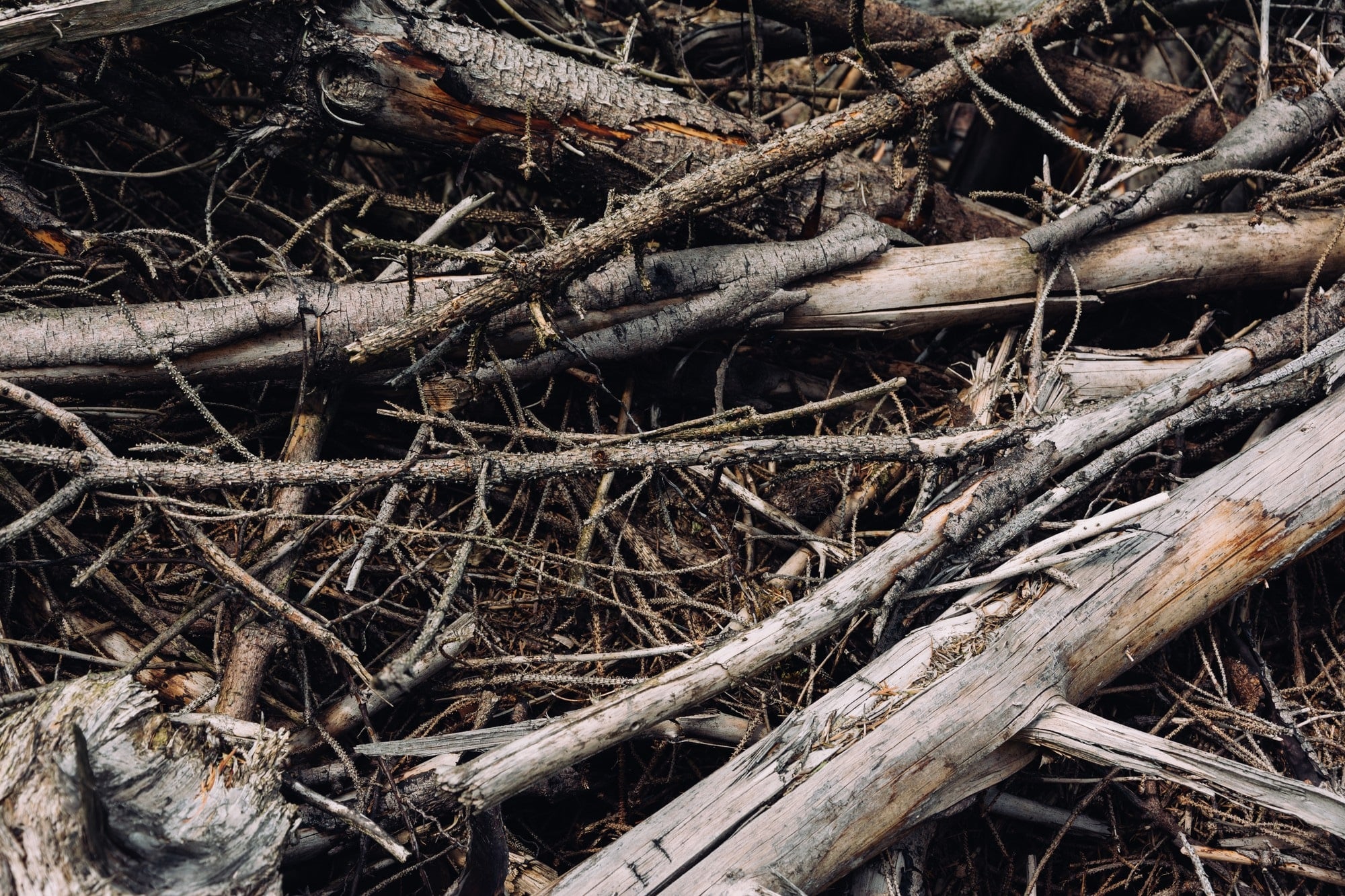
Forestry residues offer another opportunity for circular valorisation. Through pyrolysis, biomass can be converted into biochar, a carbon-rich material with potential applications in agriculture and other sectors.
In Ireland, PRIMED’s LLAB4, coordinated by IBF, is exploring opportunities for biochar production from forestry residues. However, technological feasibility alone does not guarantee a viable business model.
One important challenge concerns the regulatory classification and environmental permitting of pyrolysis facilities. As these installations can generate atmospheric emissions, their development may involve specific environmental requirements and concerns from local communities, potentially complicating the authorisation and deployment process. Additionally, uncertainty around end-of-waste criteria, biochar product standards, permitted applications and access to financing can limit commercial development. Although carbon credits may provide additional revenue opportunities, their contribution depends on certification, verification requirements and market conditions.
What should forest owners and entrepreneurs consider?
Before investing in biochar production, stakeholders should assess not only biomass availability, production costs and market demand, but also the environmental permits required for pyrolysis facilities, applicable emission standards and potential local acceptance challenges.
Early engagement with environmental authorities and local communities, alongside a realistic assessment of potential revenues, can help identify barriers before committing significant investment.