
Have you missed what Shared Agendas are? Shared Agendas offer a structured approach to tackling complex, interconnected challenges by moving beyond isolated projects or single-sector solutions. They provide a common framework that aligns environmental responsibility with economic resilience, creating a shared space where farmers, industries, researchers, communities, and public institutions can work together toward common goals.
In County Tipperary (Ireland), this approach has taken shape through the PRIMED project’s Living Lab 4 (LLAB4), led by the Irish Bioeconomy Foundation. County Tipperary lies at the heart of Ireland’s Golden Vale, one of the country’s most productive agricultural regions, where dairy farming and forestry underpin the local economy and rural livelihoods. While these sectors are central to regional identity, they also generate environmental pressures and economic uncertainty. With support from the PRIMED project, the Irish Bioeconomy Foundation is helping drive a transition toward a circular bioeconomy by repurposing dairy by-products and forestry residues into biochar, renewable energy, and high-value biochemicals. The Tipperary Shared Agenda brings together diverse stakeholders to transform these long-standing challenges into sustainable opportunities for the region and beyond.
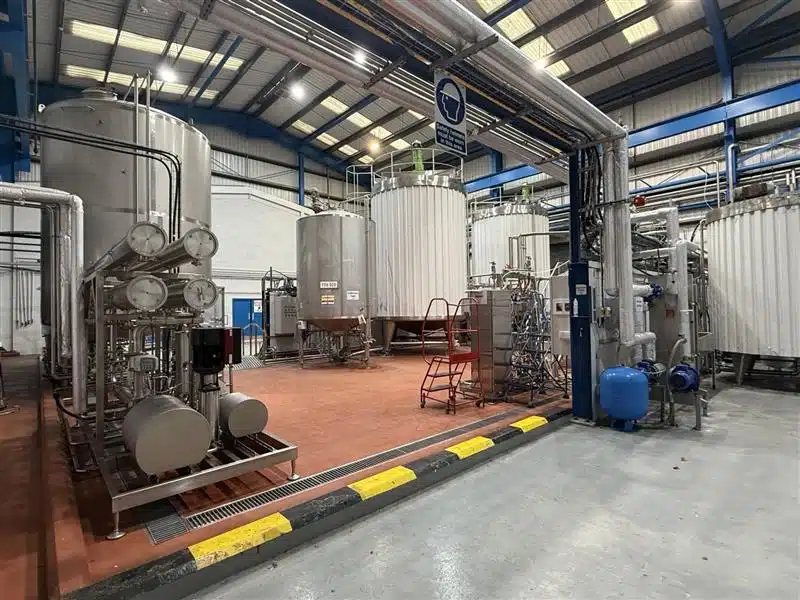
LLAB4 builds on the agricultural, forestry, and dairy activities that already define the territory. Two value chains have emerged as particularly significant: dairy residues are explored as a feedstock for producing high-value biochemicals through fermentation, while forestry residues are transformed into biofertilizers via pyrolysis and returned to local land. These pathways show how waste streams can be converted into economic resources, reducing environmental impacts while strengthening existing sectors. Beyond technical outcomes, LLAB4 supports territorial transformation by linking innovation with policy priorities and local needs.
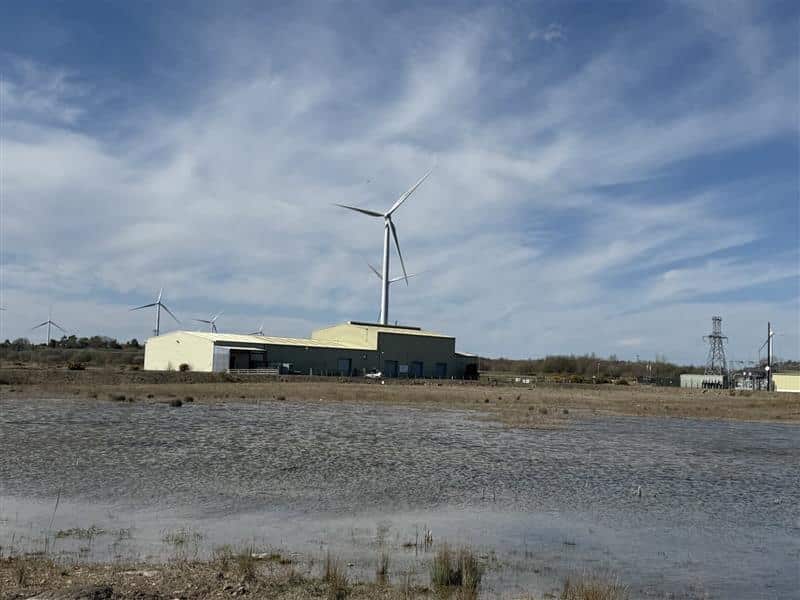
By 2040, Tipperary aims to be recognised as a practical example of a circular bioeconomy transition, combining climate action with sustained rural economic activity. While the Shared Agenda and the PRIMED project play an important supporting role, this transition builds on the region’s existing strengths and initiatives. Circular value chains linking agriculture, forestry, dairy, clean energy, and industry are expected to support job creation, reduce CH₄ emissions, and diversify the regional economy. Through pathways such as forestry to biochar and dairy to bio-based products, Tipperary seeks to become a national and European reference for decarbonisation, delivering environmental, economic, and social benefits.
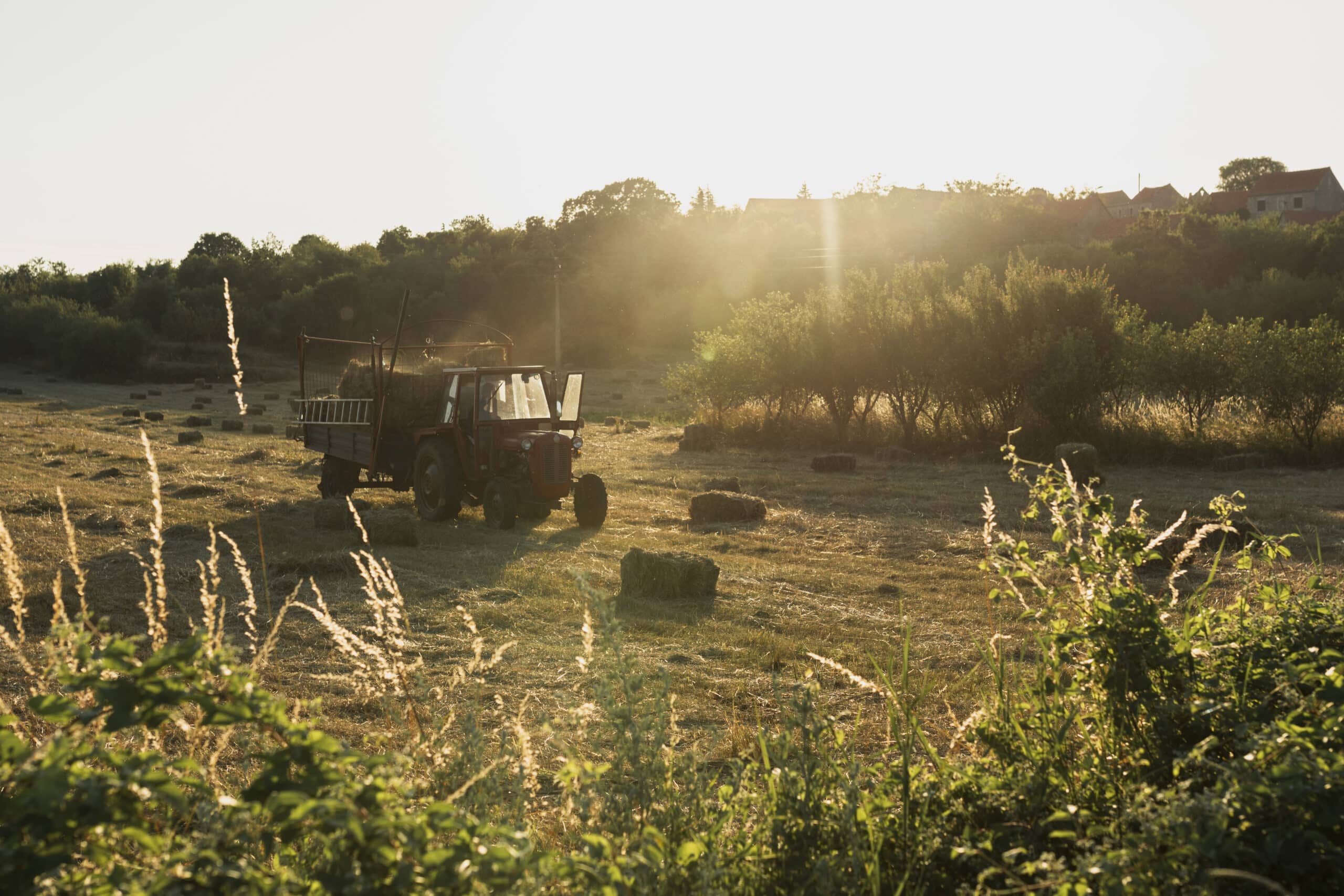
This transition is grounded in community empowerment and inclusive growth. Irish farmers and local communities are expected to benefit from the development of a biomethane sector that produces sustainable energy while reducing emissions and valorising biowaste from the primary sector. The approach is underpinned by participatory decision-making, local ownership models, and youth engagement programmes, ensuring that the ecological transition is fair, transparent, and inclusive. In this context, the Lisheen Bioeconomy Campus plays a central role as a hub for bio-based innovation, entrepreneurship, skills development, and high-value job creation across green manufacturing, sustainable agriculture, logistics, and tech-enabled services.
Scaling impact beyond the local level is a core ambition. Tipperary is working closely with public and private partners, as well as regional, national, and EU institutions, to replicate its bioeconomy model across Ireland and Europe. This ambition is reinforced by a growing portfolio of flagship initiatives, including:
- BioScaleUp, a €5M project co-funded by the Government of Ireland and the EU Just Transition Fund, supports the conversion of renewable bio-based feedstocks into chemicals, materials, food ingredients, biofuels, and other bioproducts. The project will demonstrate six innovative biotechnologies at the national bioeconomy pilot biorefinery located at the National Bioeconomy Campus in Lisheen, Thurles (Co. Tipperary). The facility also serves as a collaborative platform, bringing together the BiOrbic Bioeconomy Research Centre, SMEs, and large industry to advance biorefinery and biomanufacturing solutions.
- The Mid-Tipperary Decarbonising Zone, integrating bioeconomy, energy, and biodiversity initiatives to build a circular, low-emission economy.
- Biomethane for Carbon and Community, assessing the potential of agri-forest residues to deliver clean energy for farmers and local communities.
Together, these initiatives position Tipperary as a leader in the transition to a circular, low-carbon, and inclusive bioeconomy, offering a replicable, place-based model for regions across Europe.